
Sleep concerns
Insomnia & Sleep Concerns
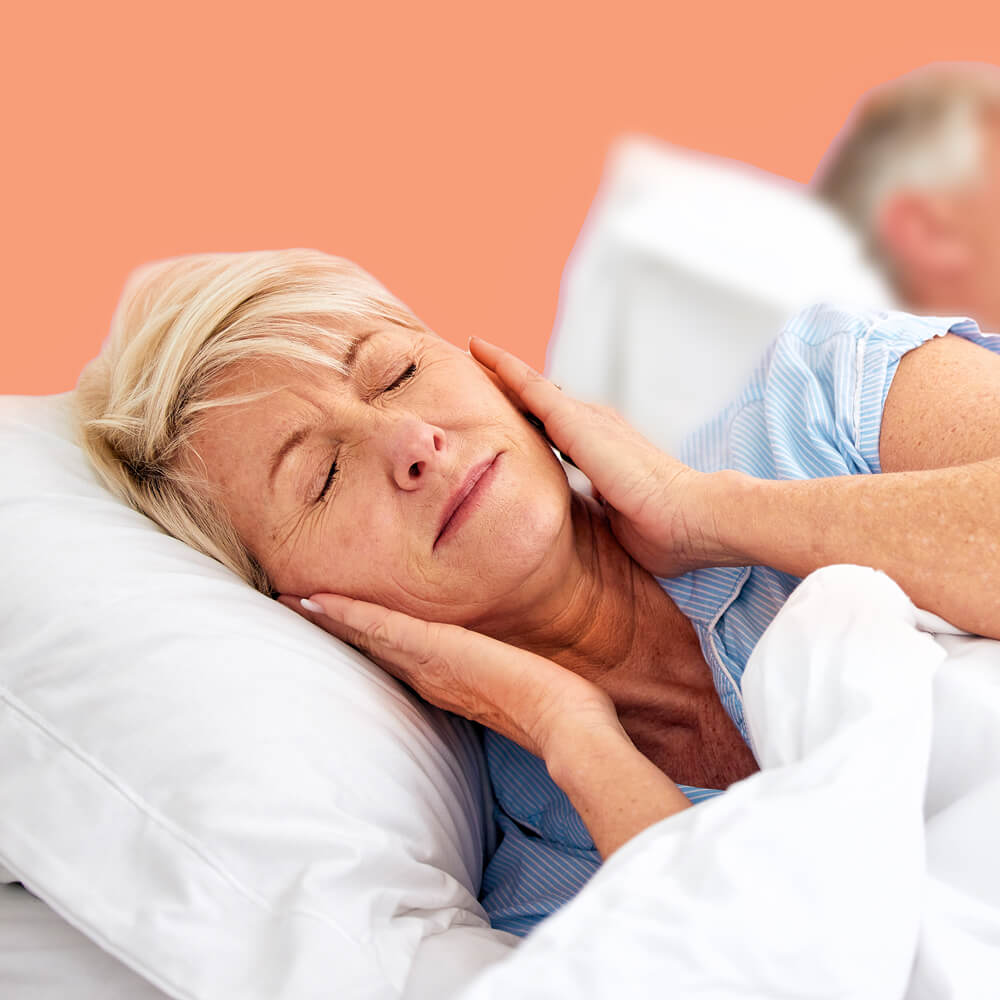
Lying awake or never feeling rested? Breathing or jaw issues are sometimes part of it. We look for contributors with your physician.
Lying awake, waking often or never feeling rested? Sometimes a breathing or jaw issue is part of the reason. Dr. Morris helps look for contributors and works with your physician on next steps.
Understanding the condition
When sleep will not come, or will not last
Understand What May Be Disrupting Your Sleep
Difficulty falling asleep or staying asleep can affect your energy, mood, and daily life. Insomnia has many possible contributors. At Vermont Sleep Center, we can help evaluate whether sleep-related breathing concerns may be part of the problem and coordinate with your medical care team when appropriate.
What Is Insomnia?
Insomnia is a sleep disorder that affects your ability to fall asleep, stay asleep, or wake feeling refreshed. It can show up as difficulty falling asleep at night, waking frequently throughout the night, waking too early, or feeling tired even after a full night in bed. For some people, insomnia is occasional. For others, it becomes a chronic issue that impacts energy, focus, and overall quality of life.
Signs You May Be Dealing With Insomnia
If you find yourself lying awake for long periods before falling asleep, experiencing restless or fragmented sleep, dealing with racing thoughts at bedtime, or feeling fatigued and unfocused during the day, insomnia may be affecting your health. Many patients also notice irritability, mood changes, or difficulty concentrating, all of which can stem from poor sleep.

Benefits and considerations
Things that can keep you awake
- What helps
Breathing at night
Undiagnosed sleep apnea can fragment sleep without you realising.
- What helps
Jaw and clenching
Muscle tension and grinding can disturb sleep for some people.
- Worth knowing
Many causes
Stress, health conditions, medicines and habits matter too. Your physician remains central.
- Worth knowing
Testing may help
A sleep test can clarify whether breathing is involved before any treatment.
How it works
Working out what is going on
Your sleep story
Patterns, routines, symptoms and what has already been tried.
Look for contributors
Screening for breathing and jaw-related factors, with testing when indicated.
Personal plan
Options chosen with you and coordinated with your medical care.
Looking for the cause
When breathing and sleeplessness overlap
When Breathing Problems and Insomnia Overlap
Insomnia and obstructive sleep apnea can occur together, but they are not the same condition. Breathing interruptions may contribute to repeated awakenings for some patients. Stress, sleep habits, medications, and other health conditions may also play a role, so a broader medical evaluation can be important.
Understanding Your Symptoms
We begin by discussing your sleep patterns, health history, and symptoms that may suggest a breathing-related sleep disorder. A home sleep apnea test may be recommended when appropriate, but it is not a test for insomnia itself. Persistent insomnia warrants evaluation by a qualified medical or sleep-care professional.

Treatment and next steps
Personalized care for better sleep
Personalized Treatment Options
Treatment depends on the conditions identified. An oral appliance may be an option for suitable patients with obstructive sleep apnea; it is not a stand-alone treatment for insomnia. Your medical provider may recommend cognitive behavioral therapy for insomnia (CBT-I) or other care. We can coordinate dental sleep treatment with your broader care plan.
Why Treating Insomnia Matters
Ongoing insomnia can affect concentration, mood, energy, and quality of life. Seeking an evaluation can help identify contributing factors and appropriate treatment. The right approach may involve more than one healthcare professional.
Take the First Step Toward Better Sleep
If restless nights or daytime tiredness are affecting your life, contact the office to discuss your concerns. We can help you explore the role of sleep-related breathing problems and identify appropriate next steps with your care team.


Meet your dentist
You will talk with Dr. Mike Morris.
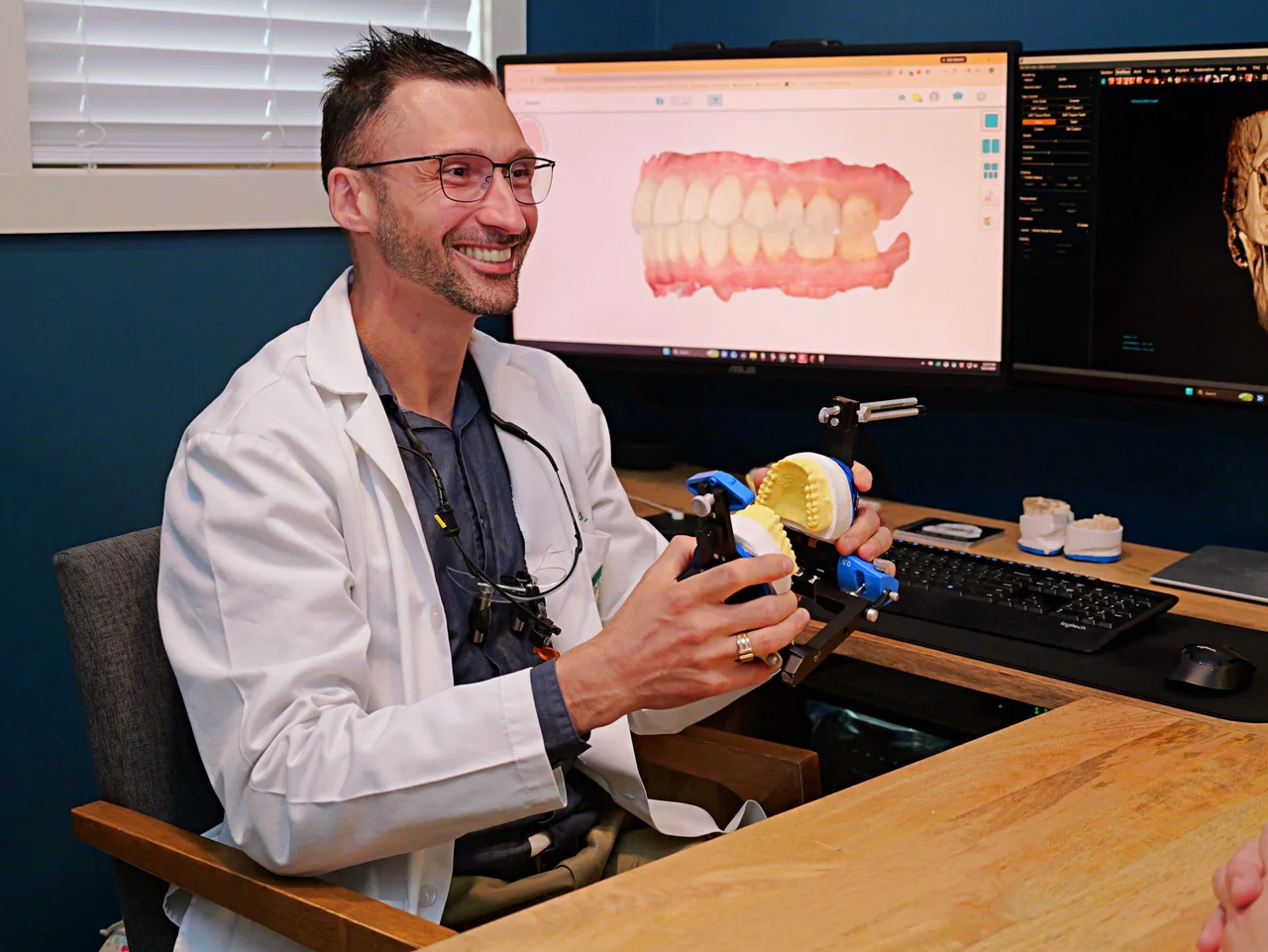
Dr. Morris focuses on dental sleep care and TMJ in Burlington. When you come in about insomnia & sleep concerns, he listens first, explains your options in plain language, and coordinates with your physician when medical follow-up is needed.
Meet the DoctorCost and insurance
Understanding your treatment investment
Costs vary from person to person. Before you make any care decision, the office can review expected costs, what your benefits may cover, and the payment options available to you.
Your cost may depend on
- Your evaluation and examination
- Any testing that is recommended
- The care plan you choose
- Follow-up visits
- Your individual insurance benefits
Reserving your appointment
A $50 deposit is required to reserve your appointment and is credited toward your visit. It is not the price of treatment.
Common questions
Questions about Insomnia & Sleep Concerns
Straight answers to what patients ask most. Your visit covers what applies to you.
Can a home sleep apnea test diagnose insomnia?
No. Home sleep apnea testing evaluates selected breathing-related concerns in suitable patients. Insomnia requires its own clinical assessment. Your medical clinician can help evaluate sleep patterns, other health conditions, medicines, and appropriate treatment.
NHLBI: Sleep apnea diagnosisCan insomnia and sleep apnea occur together?
Yes, different sleep concerns can overlap. Tell your care team about snoring, witnessed breathing pauses, daytime sleepiness, and difficulty falling or staying asleep. These symptoms do not establish a diagnosis on their own.
Understand sleep apnea symptomsWhat can the dental sleep team help me explore?
Dr. Morris can evaluate dental sleep concerns and discuss whether assessment for sleep-related breathing problems may be appropriate. Broader insomnia care may require your primary or sleep-medicine clinician. Do not change prescribed treatment without guidance.
Patient education references
General educational information, not a diagnosis or a personal treatment recommendation. Your evaluation and care plan depend on your individual needs. Independent references do not represent an endorsement of this practice or a specific treatment.
Related care
You might also want to explore

Let's find the right next step for you.
Talk with Dr. Morris and our team about your symptoms, treatment options, and what to expect.