
Patient education · Oral appliance therapy
Understanding Appliance Designs
Appliance designs differ. Dr. Morris helps suitable patients with obstructive sleep apnea compare options and choose one that fits their mouth and routine.
A guide to design, fit and follow-up within oral appliance therapy—not a separate treatment. Learn which questions to discuss with Dr. Morris when comparing custom appliances.
Understanding your options
Designed around you, not a catalogue
Custom appliances are part of one treatment pathway: Oral Appliance Therapy. Visit the main treatment page for candidacy, fitting, costs and scheduling.
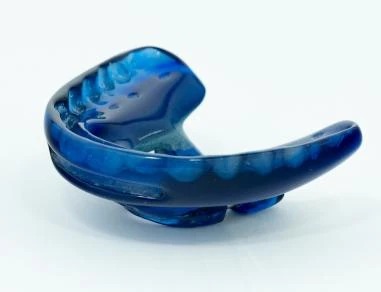
Custom oral appliances are used within oral appliance therapy. This guide explains differences in design, jaw movement and fit so you can ask informed questions about your care—not choose a device without clinical guidance.
Custom Design and Individual Attention
Your appliance is selected and fitted for your needs. Dr. Morris evaluates your dental health, reviews your sleep-related concerns, and explains the options, follow-up visits, and expected costs.
Designed Around Your Routine
Natural Jaw Movement
The appliance is designed to guide jaw positioning while allowing movement. Your evaluation and follow-up visits help determine how the design fits your anatomy and treatment goals.
- A design intended to work with natural jaw movement
- Individualized fitting and adjustment
- Ongoing assessment of comfort and treatment response
A Different Appliance Design
Oral appliance designs differ in how they guide the jaw and contact the teeth. Dr. Morris can explain these differences and monitor for discomfort, tooth movement, or bite changes. No appliance can be described as free of potential side effects.
Supporting Your Airway
An oral appliance helps position the jaw to support airflow during sleep. Its effect varies by patient and should be assessed through follow-up care and sleep testing when recommended.

Benefits and considerations
What to weigh between designs
- What helps
Fitted to your bite
The appliance is selected and adjusted to your teeth, jaw and comfort, not handed over off the shelf.
- What helps
Room to move
Some designs allow more jaw movement. Dr. Morris explains how each option guides the lower jaw.
- Worth knowing
Bite changes are watched
Tooth movement or bite changes can occur with oral appliances and need regular monitoring.
- Worth knowing
Grinding and TMJ matter
Clenching, grinding or jaw symptoms change which design makes sense. Mention them at your visit.
Comparing designs
Trade-offs to discuss at your visit
Comparing Oral Appliance Designs
Considerations With Oral Appliances
- Different designs guide or hold the lower jaw in different ways
- Tooth movement or bite changes can occur and should be monitored
- Persistent bite changes or discomfort need prompt professional assessment
- Comfort and freedom of jaw movement vary by design and patient
A Personalized Fit
- Designed to support the airway during sleep
- Individual adjustment based on comfort and clinical response
- A design that allows jaw movement
- Clear instructions for use and cleaning
Questions to Discuss at Your Consultation
Grinding, Clenching, and Jaw Comfort
Tell Dr. Morris if you grind your teeth, clench your jaw, or have TMJ symptoms. An appliance should be selected and adjusted with these concerns in mind; a sleep apnea appliance and a night guard do not necessarily serve the same purpose.
Is This Appliance Right for You?
Suitability depends on your age, diagnosis, airway anatomy, dental health, and treatment history. Dr. Morris can help you understand the options, potential limitations, and follow-up your care may require.

Common questions
Questions about Understanding Appliance Designs
Straight answers to what patients ask most. Your visit covers what applies to you.
How is the right oral appliance selected?
Selection depends on your sleep apnea diagnosis, dental and jaw health, current treatment, and individual needs. The team can explain the designs being considered, fitting, adjustments, expected costs, and follow-up before you decide.
NHLBI: Sleep apnea treatmentCan I use a sleep appliance during orthodontic treatment?
Compatibility depends on your orthodontic treatment, tooth movement, and appliance design. Dr. Morris and your orthodontic clinician should review your situation together. Do not assume an existing appliance will remain suitable as your teeth move.
Learn about oral appliance careWill my custom appliance need ongoing checks?
Yes. Fitting and adjustment are part of care, and effectiveness needs assessment rather than relying on less snoring alone. Report jaw discomfort, tooth soreness, or bite changes. Continue prescribed treatment until your treating clinician advises otherwise.
NHLBI: Sleep apnea treatmentPatient education references
General educational information, not a diagnosis or a personal treatment recommendation. Your evaluation and care plan depend on your individual needs. Independent references do not represent an endorsement of this practice or a specific treatment.
Related care
You might also want to explore

Let's find the right next step for you.
Talk with Dr. Morris and our team about your symptoms, treatment options, and what to expect.